On May 1, 2026, the Humboldt County Sheriff’s Office, in partnership with multiple local, state, and federal agencies, is conducting an ongoing investigation involving Miranda’s Rescue in Fortuna, California. The investigation began after allegations of animal abuse, cruelty, fraud, and conspiracy were reported in April 2026. Following a search warrant executed on May 1, investigators collected evidence, interviewed witnesses, and received hundreds of tips while working to account for hundreds of dogs transferred to the rescue by individuals and shelters. Due to the number of animals still unaccounted for, a second search warrant was served on June 23, authorizing an excavation of the property to search for additional deceased animals believed to be buried on site. The investigation remains active, with assistance from multiple agencies, forensic experts, and animal welfare organizations.
1. Building Stronger Safeguards for Shelters and Rescues
Preventing future situations like this requires stronger systems of accountability, transparency, and communication across the animal welfare community. Shelters and rescue organizations can help reduce risk by conducting thorough placement reviews, maintaining detailed transfer records, completing regular wellness checks when possible, and establishing clear reporting procedures for concerns. Collaboration between shelters, fosters, adopters, veterinarians, and oversight organizations can create a stronger network of protection for animals.
2. Understanding Where Oversight Gaps Can Occur
Supporting Life-Saving Work
When animal welfare concerns go unnoticed, it is often the result of multiple factors rather than one single failure. Challenges may include limited staffing, lack of resources, incomplete information sharing, inconsistent follow-up processes, or a reliance on trust within a community-based system. Identifying these gaps allows organizations to improve practices, strengthen communication, and create better safeguards without placing blame on individuals or organizations.
Recognizing the Challenges That Allow Concerns to Go Unnoticed
Many rescue organizations operate through a combination of volunteers, donations, and community partnerships, which can make oversight challenging. A rescue may receive support based on reputation, past relationships, or a perceived ability to help animals in need. When resources are limited and reporting systems are inconsistent, concerns may not receive the attention or follow-up needed. Creating more standardized communication between shelters, rescues, and regulatory agencies can help identify warning signs earlier.
Creating Stronger Community Standards and Legal Protections
Long-term prevention requires a combination of education, responsible practices, and stronger oversight measures. Laws such as Dexter’s Law aim to strengthen protections for animals by improving accountability and enforcement tools. However, additional solutions may include clearer rescue licensing requirements, standardized recordkeeping, routine inspections for high-volume operations, stronger transfer documentation, accessible reporting systems, and better coordination between animal welfare groups and government agencies.
Communities can also support responsible rescue practices by asking questions, encouraging transparency, and promoting organizations that prioritize animal care and accountability.
3. Moving Forward Through Collaboration
Protecting animals requires a shared commitment from shelters, rescues, lawmakers, veterinary professionals, volunteers, and the public. By improving transparency, strengthening oversight, and creating systems that support early intervention, communities can help ensure that every animal placed into care receives the protection and compassion they deserve.
If you see or suspect potential animal welfare concerns, reporting them can help ensure issues are reviewed and addressed appropriately. Community members are encouraged to document relevant information and contact local animal control agencies, law enforcement, or appropriate animal welfare authorities to report concerns. Speaking up helps create a stronger network of accountability and supports the safety and well-being of animals in our communities.
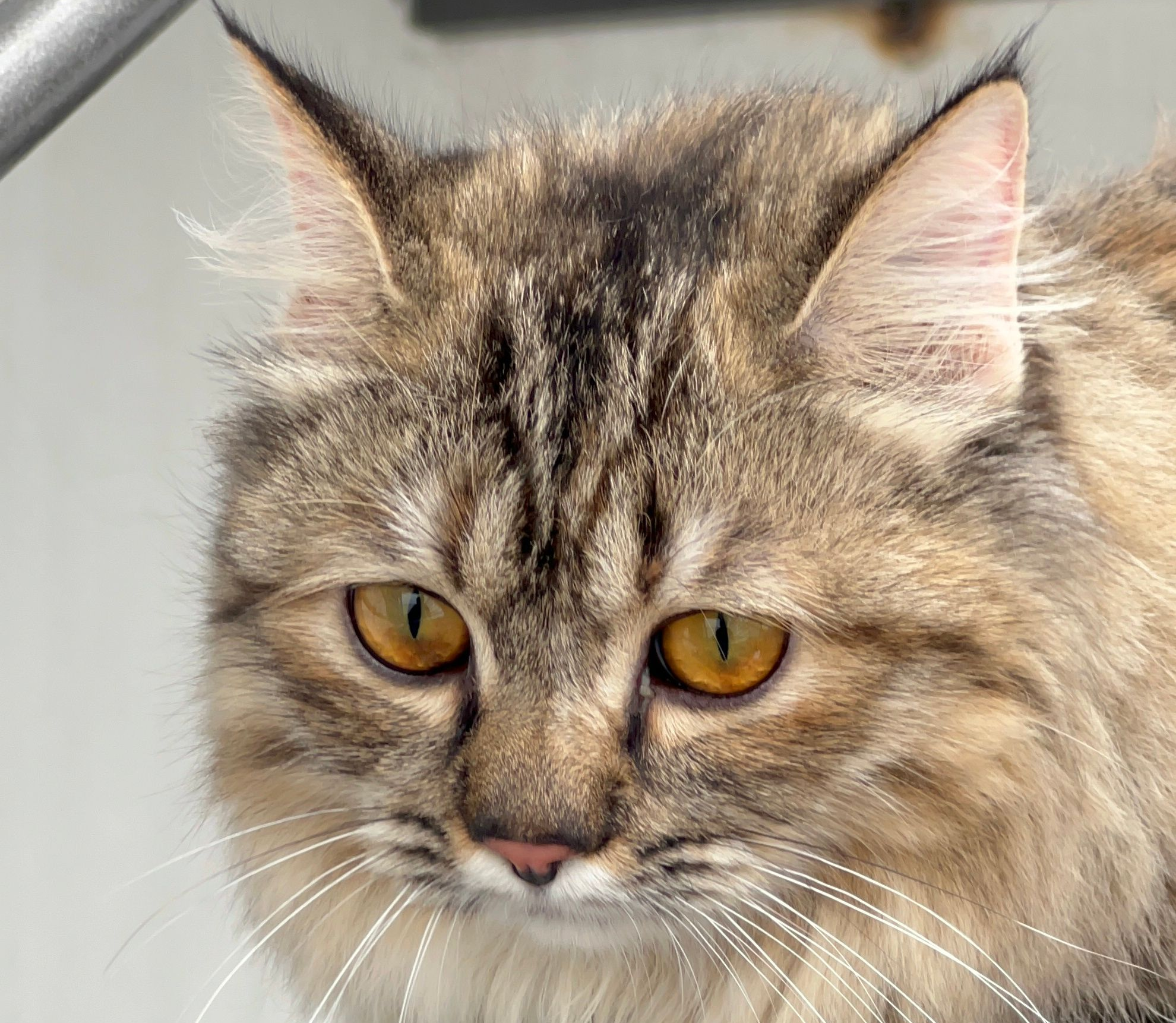
4. Every Animal Has Different Needs
Every species has unique care requirements, behaviors, and challenges. Cats, dogs, farm animals, wildlife, and marine animals each need specialized attention, knowledgeable caregivers, and appropriate resources to support their health and well-being. By focusing on education, accountability, and species-specific solutions, we can build stronger systems that protect all animals.
Cat
Cats may appear independent, but they require thoughtful care that addresses their physical health, behavior, enrichment, and emotional well-being. Proper housing, veterinary attention, nutrition, and opportunities for natural behaviors are essential to supporting healthy cats. Strong intake records, regular evaluations, and knowledgeable caregivers can help ensure cats are placed in environments that meet their specific needs.
Dogs
Dogs have diverse needs based on their age, breed, health, temperament, and past experiences. Providing proper socialization, exercise, medical care, training, and enrichment helps dogs feel secure and supported. Clear adoption processes, accurate behavior assessments, and ongoing communication between shelters, fosters, and adopters can help prevent challenges and improve outcomes.
Farm Animals
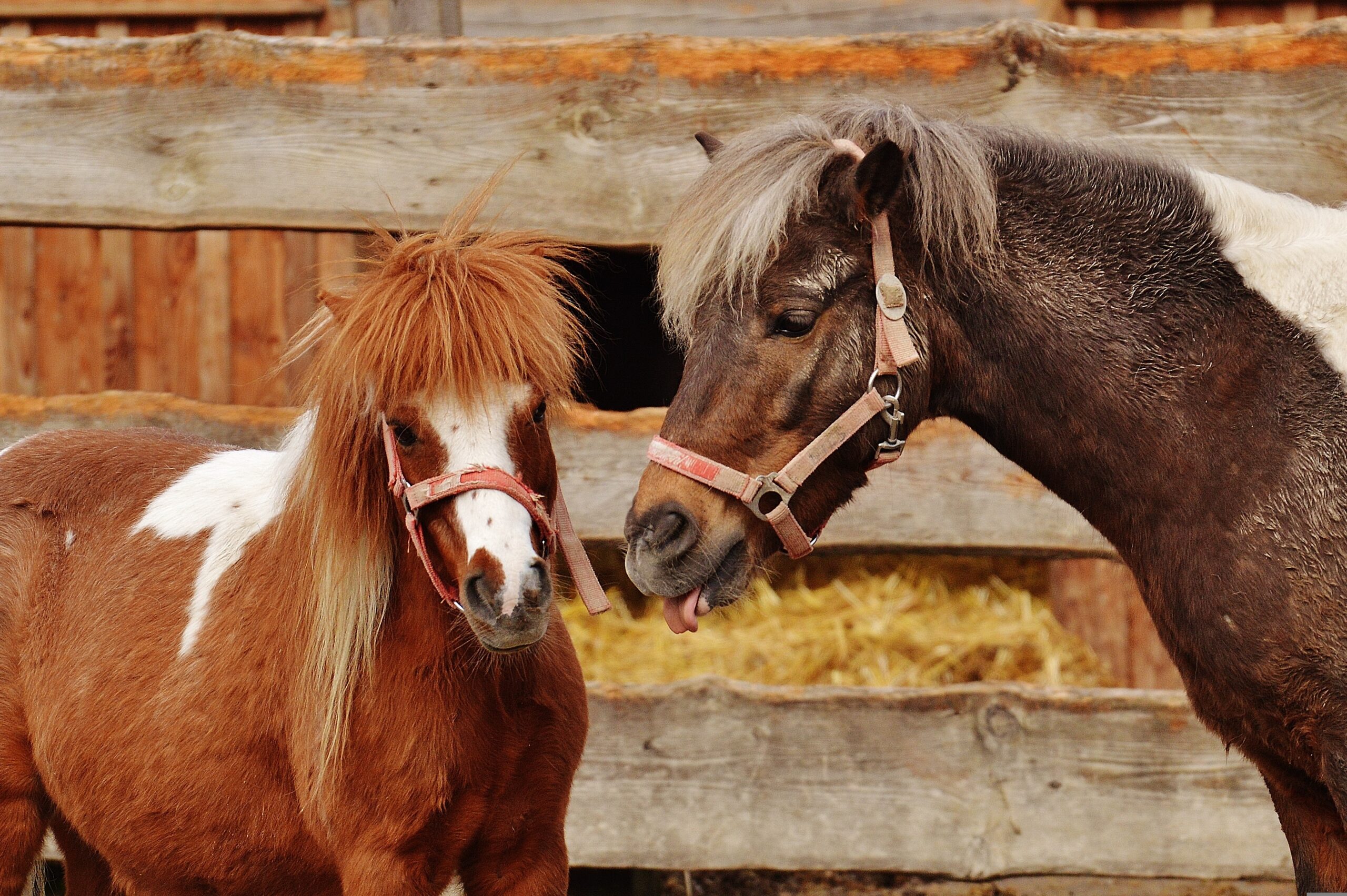
Farm animals require specialized knowledge, appropriate space, nutrition, veterinary care, and environments that support their natural behaviors. Because their needs can differ greatly from companion animals, caregivers must have the resources and experience necessary to provide proper care. Education, inspections, and stronger standards for animal management can help ensure farm animals receive appropriate protection.
Wild Animals
Wild animals require care that prioritizes their unique instincts, environments, and conservation needs. Unlike domesticated animals, many wildlife species cannot be treated or managed like pets and often require trained professionals for rehabilitation and support. Increased public education, responsible intervention practices, and partnerships with wildlife experts can help protect these animals.
Marine Animals
Marine animals have highly specialized needs related to their habitats, water quality, nutrition, and environmental conditions. Supporting their welfare requires expertise, proper facilities, and conservation-focused approaches. Strong regulations, scientific guidance, and public awareness can help protect marine species and preserve the ecosystems they depend on.
Preventing neglect and mistreatment requires a commitment to understanding the unique needs of every species. Through education, responsible caregiving, stronger oversight, accurate recordkeeping, and accessible reporting systems, communities can help ensure animals receive appropriate care and protection throughout their lives.
A Balanced World Depends on Animals
Creating better standards for animal care and protection prevents future cases of neglect or mistreatment requires solutions that focus on education, accountability, and responsible care. Stronger training for caregivers, improved recordkeeping, regular wellness assessments, clear reporting systems, and better communication between animal organizations can help identify concerns earlier. By supporting species-specific care practices and strengthening oversight, communities can create safer environments where every animal receives the attention, resources, and protection it deserves.