Animal testing is a practice that extends across many industries, influencing areas such as healthcare, pharmaceuticals, chemical development, agriculture, household products, environmental research, and scientific studies. For many years, animals have been used to evaluate safety, understand biological responses, study diseases, and assess the effects of various substances before they reach consumers, animals, or ecosystems.
"There will come a time when men such as I will look upon the murder of animals as they look upon the murder of men"
Animal testing can create significant ethical, scientific, and welfare concerns because animals may experience pain, stress, fear, injury, or long-term suffering during experiments designed to evaluate products, chemicals, medications, and other substances. Testing outcomes from animals do not always accurately predict how a human body will respond because animals and humans can differ in genetics, metabolism, immune systems, and biological processes. Some substances that appear safe in animal studies may later show unexpected effects in humans, while potential treatments or products may be overlooked because animal models do not fully represent human conditions. Beyond the physical impact on animals, testing can also delay the development of more accurate methods that use human-based research tools, including advanced cell models, artificial intelligence, and computer simulations. Moving toward more reliable and humane alternatives can help improve safety for people while reducing unnecessary harm to animals.
How Many Animals are Used in Testing Each Year?
Millions of animals are used in research and testing worldwide each year, but the exact number remains difficult to determine because reporting systems vary between countries and many animals are not included in official statistics. Organizations and animal welfare research groups track available data to better understand the scope of animal use and support the development of alternatives.
Here are some of the most recognized sources:
- Organisation for Economic Co-operation and Development (OECD)
- Cruelty Free International Research and Reports
- United States Department of Agriculture (USDA)
- National Institutes of Health – NIH Office of Laboratory Animal Welfare
- European Commission
- Humane Society International Animal Testing Information
The Global Impact of Animal Testing
Across the world, animals continue to be involved in scientific studies and safety evaluations that influence medicine, consumer goods, environmental research, agriculture, and many other areas of development. The true scope of animal testing is difficult to measure because countries use different reporting systems, and certain species or research settings may not be fully represented in available data. Animals commonly involved in laboratory studies include rodents, rabbits, fish, birds, dogs, cats, and non-human primates, which may be used to examine the effects of medications, chemicals, products, and emerging technologies. As conversations around animal welfare and research ethics continue to evolve, scientists are investing in innovative approaches such as advanced laboratory models, digital simulations, and human-based methods that can provide valuable information while decreasing dependence on animal subjects.
The largest areas historically involving animal testing are medical research, pharmaceuticals, chemical safety, agriculture, and academic science. Many industries are actively moving toward alternatives that use human-based research methods, computer models, and advanced laboratory technologies to reduce reliance on animals.
Pharmaceuticals and Medicine
- Why animals are used: To study how new medicines, vaccines, and treatments affect living organisms before human clinical trials.
- Animals commonly used:
- Mice and rats
- Rabbits
- Dogs
- Non-human primates
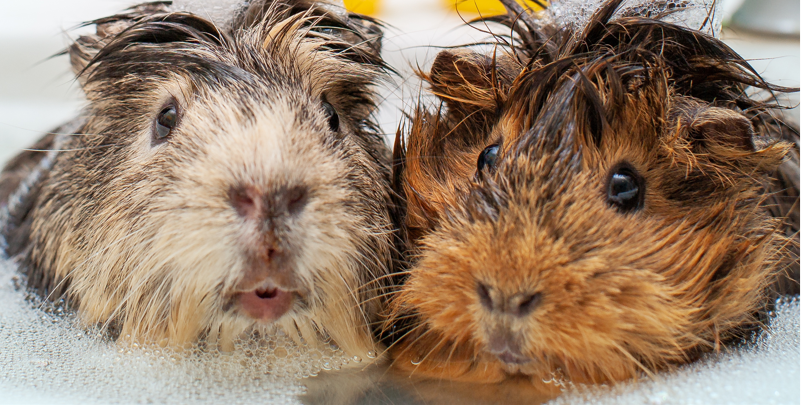
- Guinea pigs
- Testing may include:
- Drug safety and toxicity
- Disease research
- Vaccine development
- Cancer studies
- Neurological research
- Surgical procedures
- Alternatives being developed:
- Human cell-based testing
- Organs-on-chips
- Computer modeling
- Artificial intelligence drug screening
- Human tissue research
Biotechnology and Medical Device Industry
- Why animals are used: To evaluate medical devices, implants, surgical tools, and biological products before human use.
- Examples:
- Pacemakers
- Artificial joints
- Surgical implants
- Blood-related products
- Animals commonly used:
- Sheep
- Pigs
- Dogs
- Primates
- Alternatives:
- Advanced simulations
- Synthetic tissues
- Human anatomical models
- Computer-based testing
Household Cleaning Products
- Why animals are used: To evaluate whether chemicals cause harm through skin contact, inhalation, or accidental exposure.
- Animals historically used:
- Rabbits
- Mice
- Rats
- Products that may involve ingredient safety testing:
- Laundry detergents
- Disinfectants
- Surface cleaners
- Air fresheners
- Alternatives:
- Chemical modeling
- Human skin models
- Non-animal toxicity testing
Food and Agriculture Industry
- Why animals are used: To study nutrition, feed safety, animal health, and agricultural products.
- Animals commonly involved:
- Livestock
- Poultry
- Fish
- Laboratory rodents
- Research may involve:
- Animal feed development
- Food additives
- Disease prevention
- Livestock vaccines
- Farming practices
- Alternatives:
- Nutritional modeling
- Laboratory testing
- Improved observational studies
Chemical Industry
- Why animals are used: To determine the safety of chemicals used in manufacturing, agriculture, and consumer products.
- Examples:
- Industrial chemicals
- Dyes
- Plastics ingredients
- Solvents
- Pesticide ingredients
- Testing may examine:
- Toxicity
- Reproductive effects
- Long-term exposure risks
- Environmental impact
- Alternatives:
- Computer prediction models
- Cell-based tests
- Chemical screening technologies
Agriculture and Pesticide Industry
- Why animals are used: To evaluate the safety of pesticides, herbicides, fertilizers, and pest-control products.
- Animals commonly used:
- Rats
- Mice
- Birds
- Fish
- Bees and other insects
- Testing may examine:
- Poisoning risks
- Environmental effects
- Reproductive impacts
- Alternatives:
- Environmental modeling
- Field studies
- Non-animal toxicity testing
Veterinary Medicine
- Why animals are used: To develop medications, vaccines, and treatments specifically for animals.
- Animals involved:
- Dogs
- Cats
- Horses
- Livestock
- Research may involve:
- Disease treatments
- Parasite prevention
- Vaccines
- Surgical techniques
- Alternatives:
- Clinical studies using naturally occurring illnesses
- Non-invasive monitoring
- Existing veterinary data
Military and Defense Research
- Why animals are used: Historically used to study trauma, medical treatments, chemical exposure, and protective equipment.
- Animals historically involved:
- Pigs
- Rats
- Primates
- Research areas may include:
- Battlefield injuries
- Emergency medicine
- Biological effects of substances
- Alternatives:
- Human patient simulators
- Advanced trauma models
- Computer simulations
Academic and Scientific Research
- Why animals are used: To understand biology, genetics, behavior, and disease processes.
- Animals commonly used:
- Mice
- Rats
- Fish
- Birds
- Primates
- Research includes:
- Brain function
- Genetics
- Aging
- Infectious disease
- Organ systems
- Alternatives:
- Human cell cultures
- Organoid research
- Computer modeling
- Advanced imaging
Fashion and Consumer Goods
- Why animals are used: Some materials and chemicals may involve safety testing or production impacts.
- Examples:
- Leather processing chemicals
- Dyes
- Textile treatments
- Adhesives
- Alternatives:
- Plant-based materials
- Synthetic alternatives
- Non-animal safety testing
Tobacco and Nicotine Industry
- Why animals have been used: Historically for studying addiction, toxicity, and effects of tobacco-related chemicals.
- Animals involved:
- Rats
- Mice
- Other laboratory animals
- Alternatives:
- Human population studies
- Cell-based research
- Computational models
Environmental Testing
- Why animals are used: To evaluate how chemicals affect ecosystems.
- Animals commonly tested:
- Fish
- Amphibians
- Aquatic organisms
- Invertebrates
- Testing may examine:
- Water contamination
- Chemical exposure
- Ecosystem impacts
- Alternatives:
- Environmental simulations
- Chemical modeling
- Field monitoring
As technology advances, new approaches are creating opportunities to replace traditional animal testing through methods such as computer modeling, artificial intelligence, human cell-based research, and other innovative scientific tools. Understanding the role of animals in research helps highlight the importance of transparency, ethical responsibility, and continued investment in alternatives that support both scientific progress and improved animal welfare.
Moving Beyond Traditional Animal Testing
While scientific research has made significant advances, the continued reliance on animal testing often overlooks important questions about accuracy, efficiency, and the long-term impact on animal welfare. Many animal models do not fully replicate human biology, which can lead to results that do not always translate successfully to human outcomes. More investment, collaboration, and innovation are needed to expand alternatives such as human-based cell systems, organ-on-chip technology, artificial intelligence, and advanced computer modeling. Although these tools are rapidly improving, progress remains uneven, and many industries still rely on older testing methods because of regulatory requirements, funding limitations, and established practices. Creating a better future for research will require stronger support for alternative technologies, updated testing standards, and a commitment to developing methods that are both scientifically reliable and more humane.