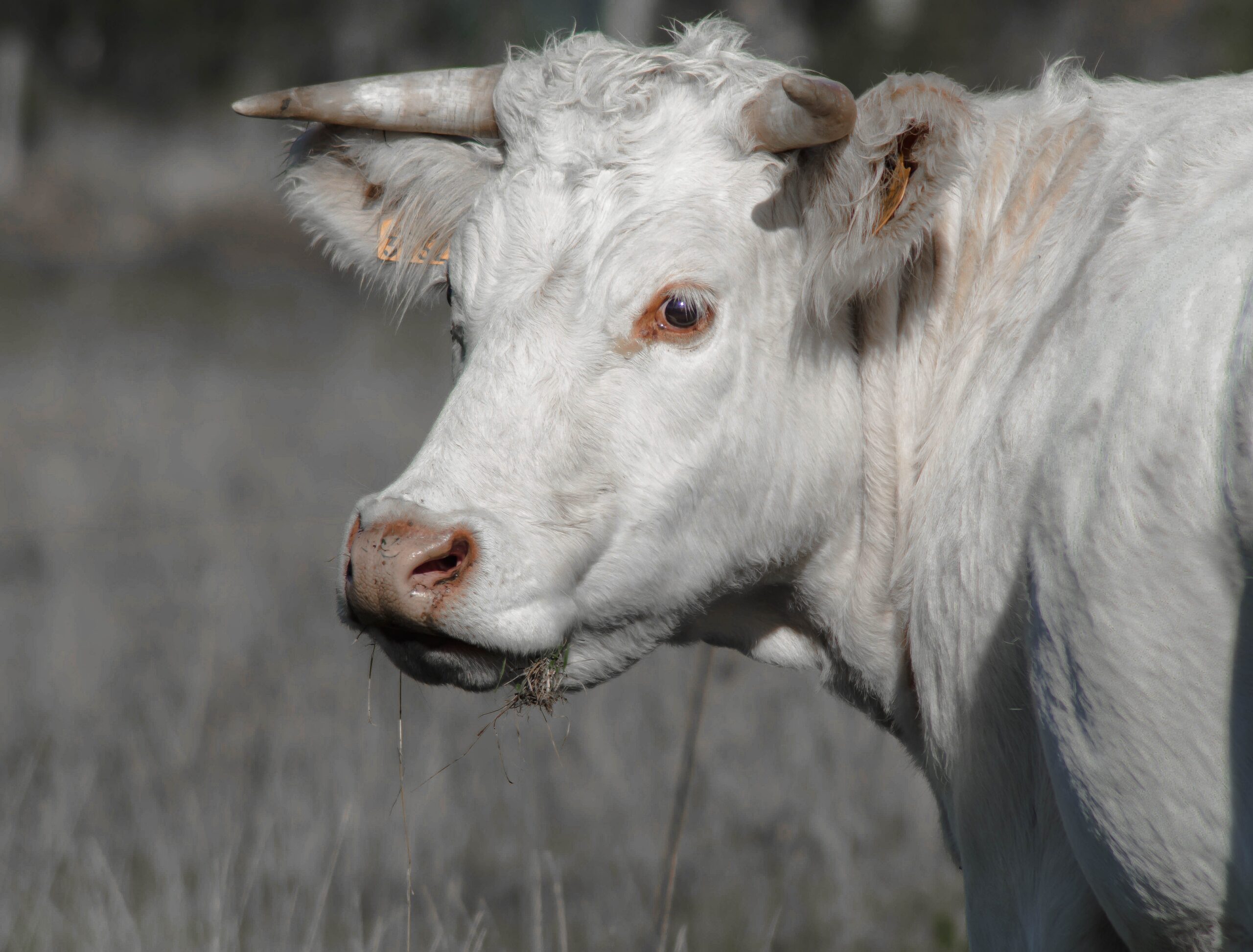
Each year, millions of animals have parts of their bodies, such as their beaks, vocal cords, fins, claws, tails, ears, horns, and teeth permanently altered through non-medically necessary procedures. These practices are often driven by overcrowded living conditions, outdated husbandry practices, cosmetic preferences, or management methods that favor convenience over the animals’ natural health, behavior, and well-being.
You can become an animal rescue volunteer. We have a great team of locals who meet here regularly to do good work, make friends and have a good time.
Common Animal Procedures and Humane Alternatives
DOGS
Devocalization (Debarking) – A surgical procedure that removes or alters tissue in a dog’s vocal cords to reduce the volume of barking. It does not eliminate barking completely and is controversial in many regions.
Humane Alternatives: Address the cause of barking through positive reinforcement training, exercise, mental stimulation, socialization, behavior therapy, and treatment for anxiety or medical conditions.
Tail Docking – Removal of part of the tail, often performed on certain breeds for cosmetic, historical working, or breed-standard reasons.
Humane Alternatives: Leave tails intact whenever possible and support breed standards that recognize natural tails.
Ear Cropping – Surgical reshaping of the ears so they stand upright, primarily for cosmetic purposes.
Humane Alternatives: Accept natural ears and educate owners that ear cropping offers no proven health benefit for the vast majority of dogs.
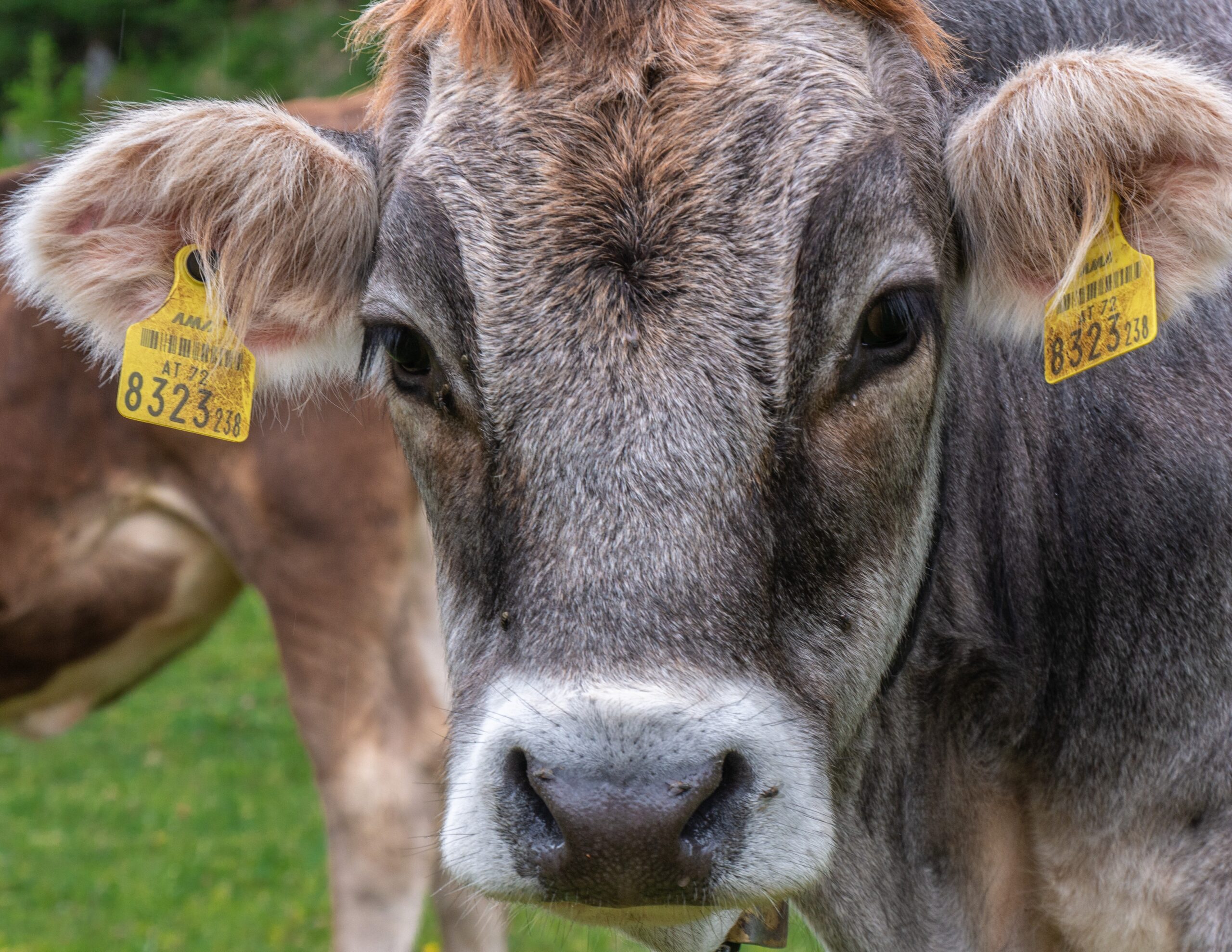
Rethinking Animal Care
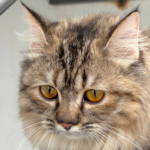
CATS
Declawing (Onychectomy) – Removal of the last bone of each toe along with the claw. While intended to prevent scratching, many veterinary and animal welfare organizations consider it a major surgical amputation.
Humane Alternatives: Provide scratching posts, scratching pads, climbing structures, routine nail trimming, nail caps, and positive training to redirect scratching behavior.
Devocalization – Rarely performed to reduce excessive vocalization.
Humane Alternatives: Identify the reason for excessive meowing, including stress, illness, boredom, or anxiety, and address the underlying cause through veterinary care, enrichment, and behavioral support.
Debeaking (Beak Trimming) – Chickens, turkeys, ducks, quail, and pheasants may have part of their beaks removed or trimmed to reduce feather pecking and cannibalism in crowded environments. This is most common in commercial egg production.
Humane Alternatives: Reduce overcrowding, provide more space, improve ventilation and lighting, offer perches and dust-bathing areas, supply pecking blocks and enrichment, and selectively breed birds with calmer temperaments.
Toe Trimming – Some chicks, particularly breeding chickens and turkeys, have toes shortened to reduce injuries during mating.
Humane Alternatives: Improve breeding management, reduce stocking density, provide better flooring, and select breeding birds with less aggressive behaviors.
Dubbing – Removal of a rooster’s comb and wattles to reduce injuries or for exhibition purposes.
Humane Alternatives: Improve housing conditions, separate aggressive birds when necessary, and encourage poultry exhibitions that accept birds in their natural condition.
Tail Docking – Performed to reduce tail biting in intensive farming systems.
Humane Alternatives: Reduce crowding, provide straw or rooting materials, improve ventilation, reduce stress, and ensure balanced nutrition.
Teeth Clipping or Grinding – Piglets may have their needle teeth clipped or ground to reduce injuries to littermates and the sow.
Humane Alternatives: Improve sow nutrition, monitor litter sizes, reduce competition for nursing, and perform the procedure only when medically necessary.
Castration – Often performed on young male pigs to reduce aggression and prevent boar taint.
Humane Alternatives: Consider immunocastration where approved, selective breeding, improved herd management, and always use pain management if surgical castration is necessary.
Tail Docking – Shortening the tail to reduce the risk of flystrike.
Humane Alternatives: Regular shearing, parasite control, improved hygiene, better pasture management, and breeding sheep with naturally shorter tails or fewer skin folds.
Castration – Common in ram lambs.
Humane Alternatives: Separate intact males when appropriate, selective breeding, and veterinary pain management when castration is necessary.
Mulesing – Removal of strips of skin around the hindquarters of some sheep breeds, primarily in Australia, to reduce flystrike.
Humane Alternatives: Breed sheep with smoother skin, improve fly control, maintain regular shearing schedules, and implement comprehensive parasite management programs.
Nicking (Historic Practice) – Altering tail muscles to make the tail carriage higher; now uncommon and widely criticized.
Humane Alternatives: Promote natural tail carriage and eliminate cosmetic alterations from competition standards.
Tail Blocking – Temporary nerve blocks or injections used to alter tail movement during competitions.
Humane Alternatives: Enforce competition rules that prohibit artificial tail alterations and reward natural presentation.
Disbudding – Horn buds are destroyed while young to prevent horn growth.
Humane Alternatives: Breed naturally polled goats when appropriate, improve herd management, provide adequate space, and use veterinary pain relief if disbudding is required.
Castration – Common for herd management and breeding control.
Humane Alternatives: Responsible breeding management, separation of breeding animals, and pain management for any medically necessary procedures.
Dehorning or Disbudding – Horns or horn buds are removed to reduce injuries among cattle and handlers.
Humane Alternatives: Breed naturally polled (hornless) cattle, improve facility design, and use veterinary pain management when the procedure cannot be avoided.
Branding – Used for permanent identification.
Humane Alternatives: RFID ear tags, GPS technology, tattoos, freeze branding, and microchips provide effective identification with less impact.
Castration – Commonly performed on male calves for herd management and meat production.
Humane Alternatives: Selective breeding, herd separation, immunocastration where available, and pain control during any required procedures.
Fin Clipping – Used for identification, breeding programs, or scientific research.
Humane Alternatives: Passive Integrated Transponder (PIT) tags, external tags, photographic identification, genetic markers, and electronic tracking technologies.
Tagging – Used to monitor migration, survival, and populations.
Humane Alternatives: Acoustic telemetry, satellite tracking, environmental DNA (eDNA), and non-invasive monitoring methods that reduce handling whenever practical.
LABORATORY ANIMALS
Ear Punching or Ear Notching – Used for identification.
Humane Alternatives: Microchips, photographic identification, RFID technology, and other less-invasive identification methods.
Tail Clipping – Primarily used in rodents for DNA collection.
Humane Alternatives: Cheek swabs, saliva collection, hair follicles, fecal DNA sampling, or other refined genetic testing methods whenever scientifically appropriate.
Surgical Implantation of Monitoring Devices – Used to collect research data.
Humane Alternatives: External monitoring equipment, wearable sensors, imaging technologies, and non-invasive data collection methods whenever feasible.
WILDLIFE AND CONSERVATION
Ear Tagging – Used to identify individual animals for research and conservation.
Humane Alternatives: Remote camera identification, natural markings, and photographic recognition software for species where possible.
Microchipping – Used for permanent identification of certain wildlife species.
Humane Alternatives: When permanent identification is necessary, microchips remain one of the least invasive long-term methods and should be implanted by trained professionals.
Collaring – GPS or radio collars track movement and migration.
Humane Alternatives: Lightweight tracking devices, drone monitoring, satellite imagery, and remote camera systems can reduce reliance on collars for some studies.
Wing Clipping (Captive Birds) – Limits a bird’s ability to fly.
Humane Alternatives: Secure aviaries, enclosed outdoor habitats, recall training, and bird-safe environments that allow natural flight.